Women Working for Women Face Smaller Pay Gaps, New Global 50/50 Analysis Reveals

Dr. LIndsey Robinson
Women working in organisations led by female chief executives experience smaller gender pay gaps than those working under male leadership, according to a major new study examining eight years of pay data across the global health sector.
The report — Closing the Gap? 2025 Analysis of Gender Pay Gaps in UK Organisations Active in Global Health — was published today by independent thinktank Global 50/50. Its findings show that women employed in companies and non-profits headed by a woman CEO are, on average, earning closer to their male counterparts than those in similar organisations led by men.
Researchers analysed 45 organisations with UK operations, including private firms, consultancies, faith-based organisations, philanthropic foundations and non-profits. They found that companies led by women for at least five of the past eight years are on track to close their gender pay gaps sooner than male-led organisations.
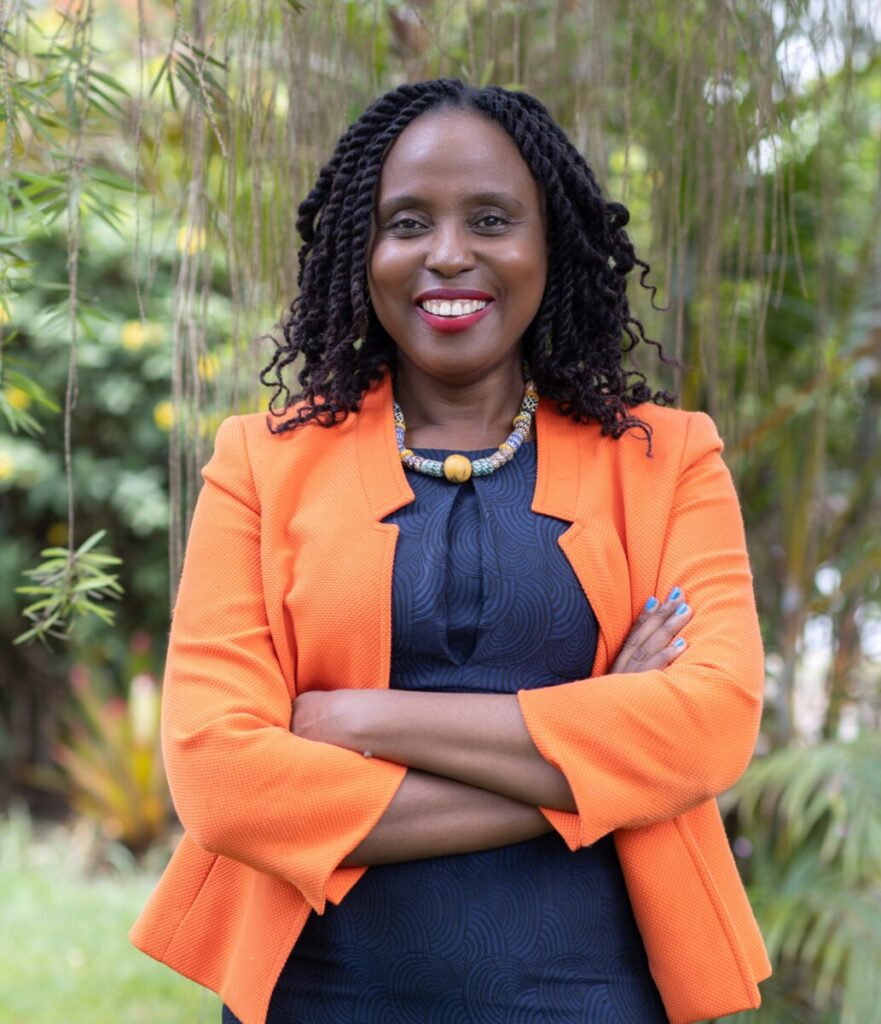
“Organisations led by women CEOs in the Global 50/50 sample are associated with smaller average gender pay gaps than those led by men,” says Dr Lynsey Robinson, Global 50/50’s health sector lead (pictured above). “Although progress towards closing the gender pay gap is slow and uneven, these findings offer evidence that organisations with women leaders may be more likely to address structural pay inequalities.”
Global leaders welcome clear evidence of leadership impact
Women CEOs and global health leaders have endorsed the findings, emphasising the link between representation, accountability and fair pay.
“In health research and policy, who leads determines whose knowledge counts and whose priorities shape the agenda. When women lead, accountability and inclusion follow,” says Dr Catherine Kyobutungi, executive director of the African Population and Health Research Center (APHRC).
Amie Batson, President of WomenLift Health, adds: “The report confirms what we see across our programs: when women lead, pay gaps shrink and organisations perform better. Pay equity isn’t a side project, it’s a leadership choice. Investing in women leaders and the ecosystems around them builds cultures where everyone can thrive.”
The report’s eight-year dataset shows that organisations with women at the top report gender pay gaps 4.3 percent smaller on average compared with those led by men. Yet despite this progress, overall UK data shows entrenched disparities remain. Dr Robinson points out that in 2024, women earned just 87p for every £1 paid to men — meaning women effectively “worked for free” from 14 November until the end of the year.
“We know that what gets measured gets prioritised. This report reminds us that transparency is power: when organisations report, analyse and act on gender pay gaps, they take a stand for fairness. Data must be the starting point for policies that dismantle barriers to women’s leadership and drive genuine gender justice at work,” says Dr Ravi Verma, executive director of the International Center for Research on Women (ICRW Asia).
Leadership representation still lagging
Global 50/50 warns that the findings must be viewed against a backdrop of male-dominated leadership in the global health arena. According to the report, fewer than 40% of non-profits and just 22% of private sector companies active in global health are currently led by women.
“The gender pay gap is the outcome of deeply embedded and gendered social, cultural and economic structures,” says Dr Robinson. “These structures shape career pathways across the life course, influencing who has access to education and training, recruitment and promotion practices, and how different types of work are valued. Closing the gender pay gap reflects the kind of leadership and culture an organisation chooses to uphold.”
Call for global pay transparency
Beyond its findings, the report issues a strong call for global action on pay transparency. While the UK mandates gender pay gap reporting for organisations with more than 250 employees, only 35 countries worldwide have comparable mechanisms.
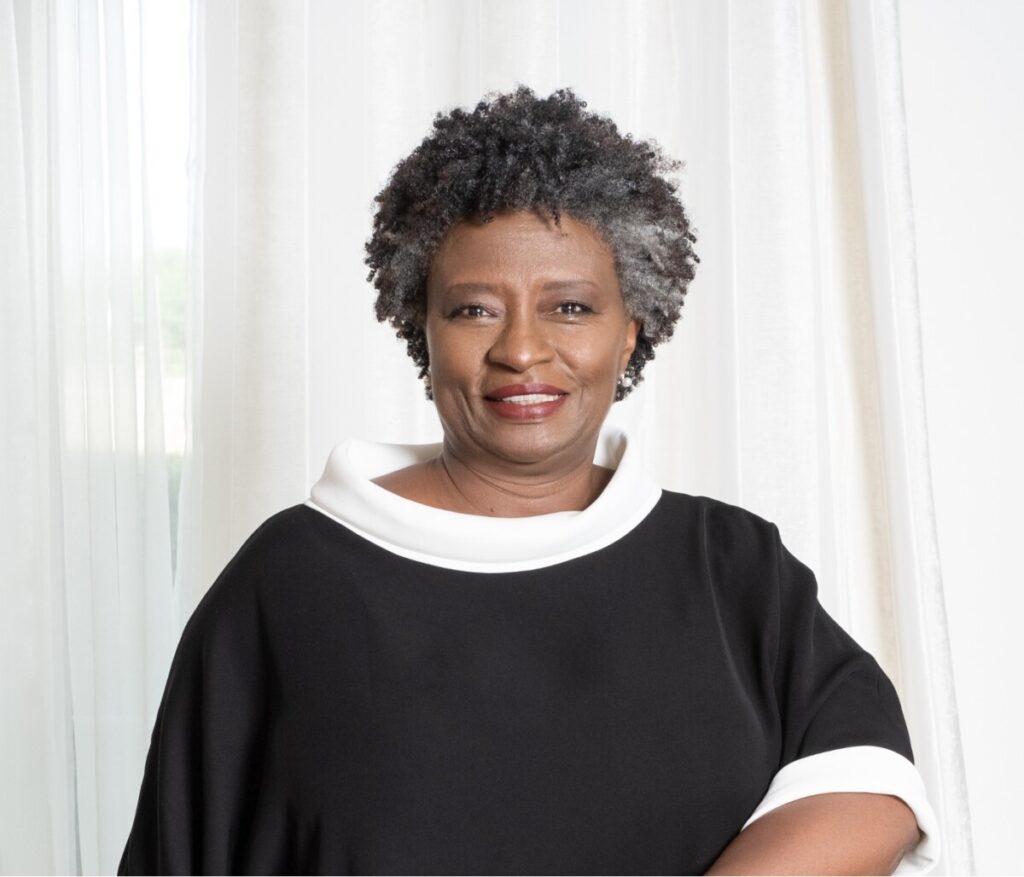
“Mandatory reporting helps to close the gap, and it provides invaluable guidance and resources that can equip organisations to close their pay gaps. It is time to make pay transparency the norm, not the exception,” says Dr Magda Robalo Correia e Silva, interim executive director of Women in Global Health.
Release timed to highlight urgency
The report was published shortly after UK Equal Pay Day, which fell on 22 November this year. Global 50/50 says the release comes “in a context marked by a backlash against gender justice and evidence of increasingly regressive views about women’s roles and leadership”, emphasising an “urgent need for a continued commitment to gender justice, fairness and equity across all levels of the global health sector”.
The full report and summary are available to download now.